
Photo by Jon Sailer at Unsplash
Facing the unexpected in the Panov: 5... Qc7!?
No matter your repertoire, the unexpected is lurking out there
Hi guys!
Work, sleep, chess, repeat. If only we could strike out the work instead . . . .
Thank you for being here with me. I confess: I took a break to do "other" stuff in life besides chess. So it is time to get back on track.
Right from the start, my Panov Attack ran into a rare sideline already on move 4. But one has to face them sometimes, don't we?
paunchypawn (2050) vs. dubostanovitch (2067)
1. e4 c6 2. d4 d5 3. exd5 cxd5 4. c4 dxc4 An early capture. Black must have something special in mind. 5. Bxc4 Qc7!?
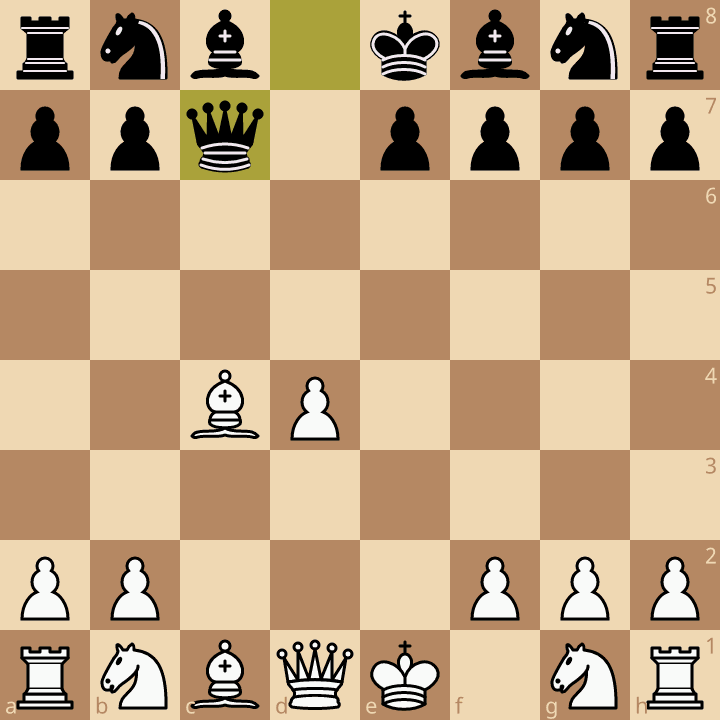
Black wants to catch me unawares by attacking my bishop. However, when we later place our rook on c1, Black's queen might be uncomfortable.
6. Bb3 The main response, though I did not know it at the time.
6...Bg4 A day full of surprises. Black says, you can take my bishop and I will take yours on c1. Then we will have a fun game.
7. Ne2!?
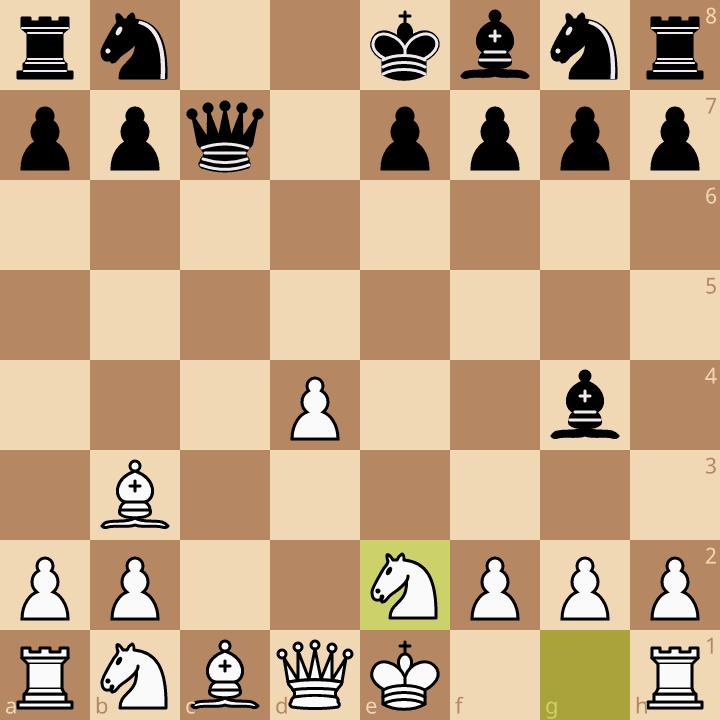
An unusual response! I thought if Black takes on e2 I will have to take with the king, but then we can play Re1 and Kf1. Unfortunately, the h2 pawn is also hanging.
7...e6 Black decides to waive the opportunity, so we are playing a more or less regular position now. However, Black will be slightly behind in development.
8. O-O Bd6 9. h3 Bh5 10. Nbc3 Ne7
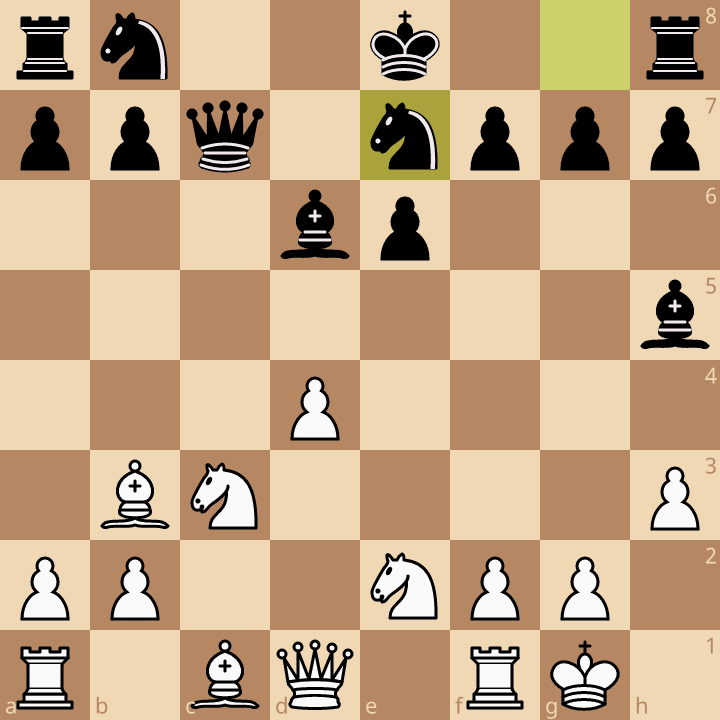
Black is missing my Nb5, trading off an important bishop, after which White's dark-squared bishop will be stronger.
11. Nb5 Qb6 12. Nxd6+ Qxd6 13. Bf4
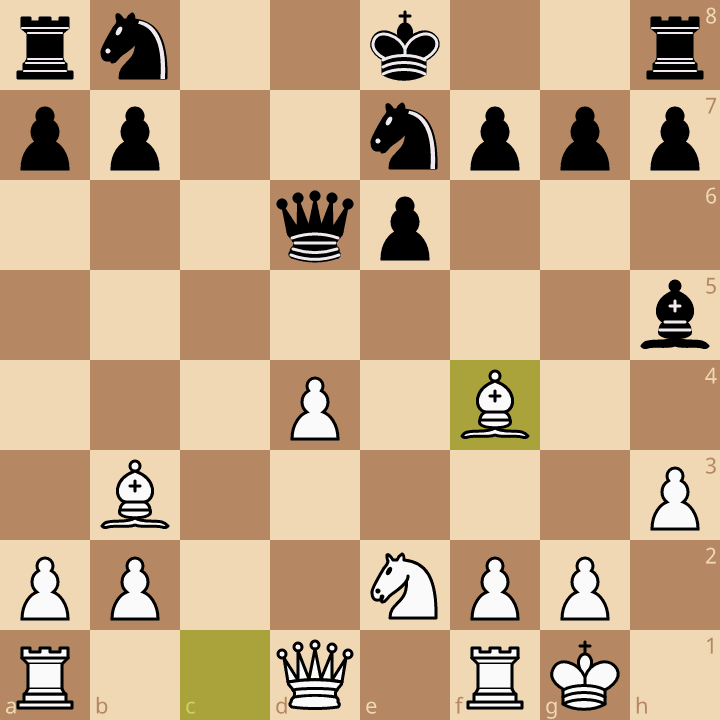
Now this required a bit of calculation. Apart from stepping aside with the queen, Black can take ...Bxe2 (undermining the bishop's defense) and ...Qxf4 (exploiting my pinned knight).
13...Qxf4 14. Nxf4 Bxd1 15. Raxd1 O-O
The opening is over, but White is markedly ahead in development. Do we push 16. d5 at once or strengthen our position first?
16. Rfe1!
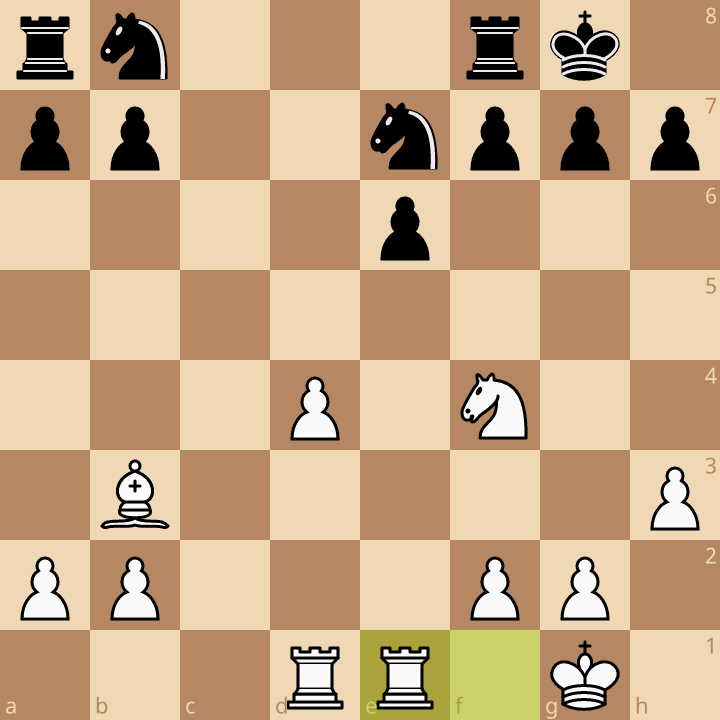
Black's early ...Qc7 begins to tell. Even with queens off the board, you can see whose pieces are better developed.
16...Nd7
While trying to complete development, Black misses a tactic. It is common in the Panov to hit at d5, e6, or f7. All these light squares are under an unrelenting eye of our bishop on b3. Can you spot the winning blow?
17. Nxe6 fxe6 18. Bxe6+ Kh8 19. Bxd7
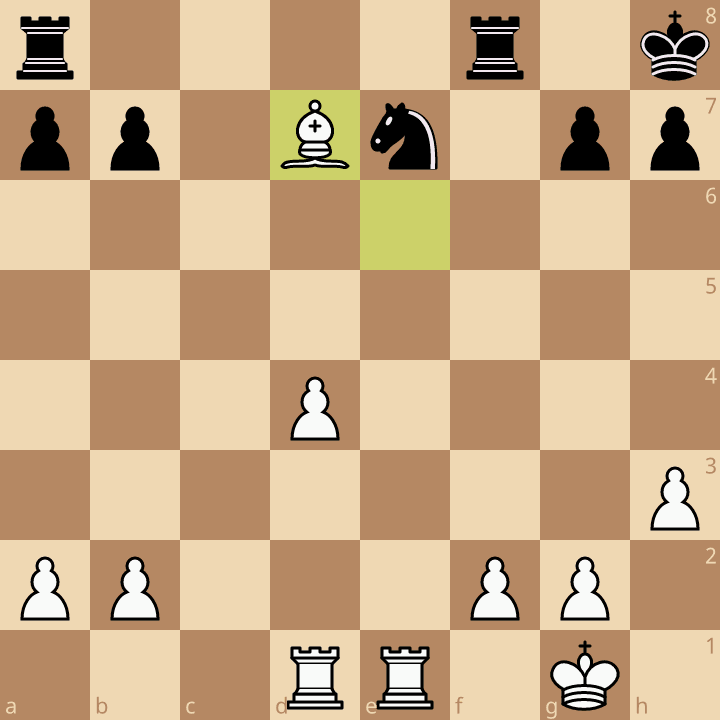
White is two pawns up, though there is still a lot of play at our level. We as White only need to find ways to curb any Black's counterplay.
19...Ng6 20. d5 Rad8 21. Be6 Rf4 Sadly for Black, they would likely have no time to build up a battery on the f-file.
22. d6 Rb4 23. d7
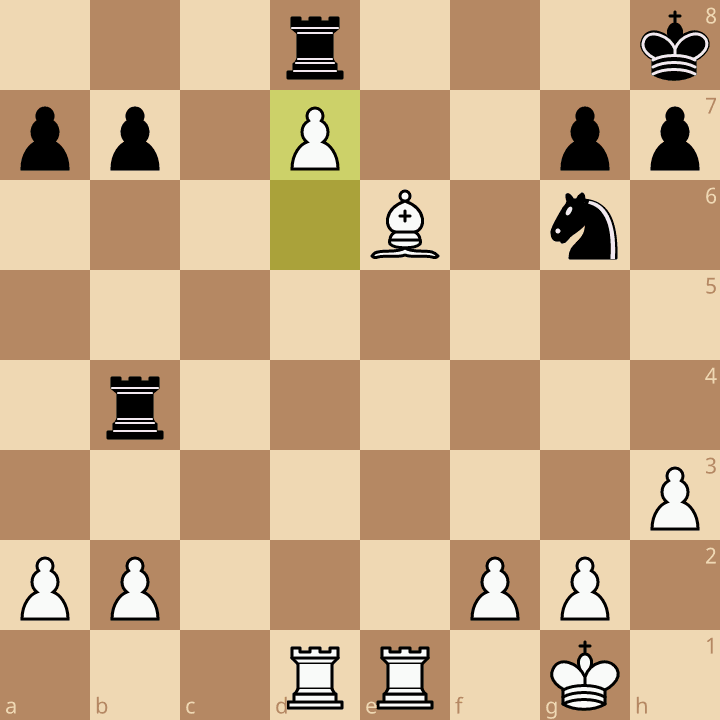
1-0 A picturesque finish! Black can do little against the idea of Re8+. After all, advancing the passed d-pawn proved to be the most effective blow.
Have you ever faced anything unusual in the Caro-Kann from Black?
And as always, I analyse all my serious games openly and frankly, so here is the Panov Attack study. Your criticism is welcome!
You may also like
 ChessMonitor_Stats
Where do Grandmasters play Chess? - Lichess vs. Chess.com
This is the first large-scale analysis of Grandmaster activity across Chess.com and Lichess from 200… paunchypawn
Luckier against 2233 – or tougher?
For some reason, it's crushing the Pirc again CM HGabor
How titled players lie to you
This post is a word of warning for the average club player. As the chess world is becoming increasin… NM ZugAddict
Are you rated 1600? Good.
It's good to be 1600 and I will explain why paunchypawn
An amazing victory in the Pirc
When you are playing in an Olympiad, your team counts on you paunchypawn