
Prophylactic Thinking
Welcome to the first edition of a new Grandmaster Insights series!
In each edition, I'll share one practical positional idea, strategic concept, or instructive position that you can immediately apply in your own games. The goal is simple: help you become a stronger thinker at the chessboard, one concept at a time.
Let's begin with one of the most powerful habits in positional chess: Prophylactic Thinking
Many times during a game, players naturally focus on questions like:
“How can I improve my position?”
“What should my plan be?”
“How can I create active play?”
But another equally important question is:
“What does my opponent want?”
This way of thinking is called prophylactic thinking.
Let me show you a position. It’s White to play here.
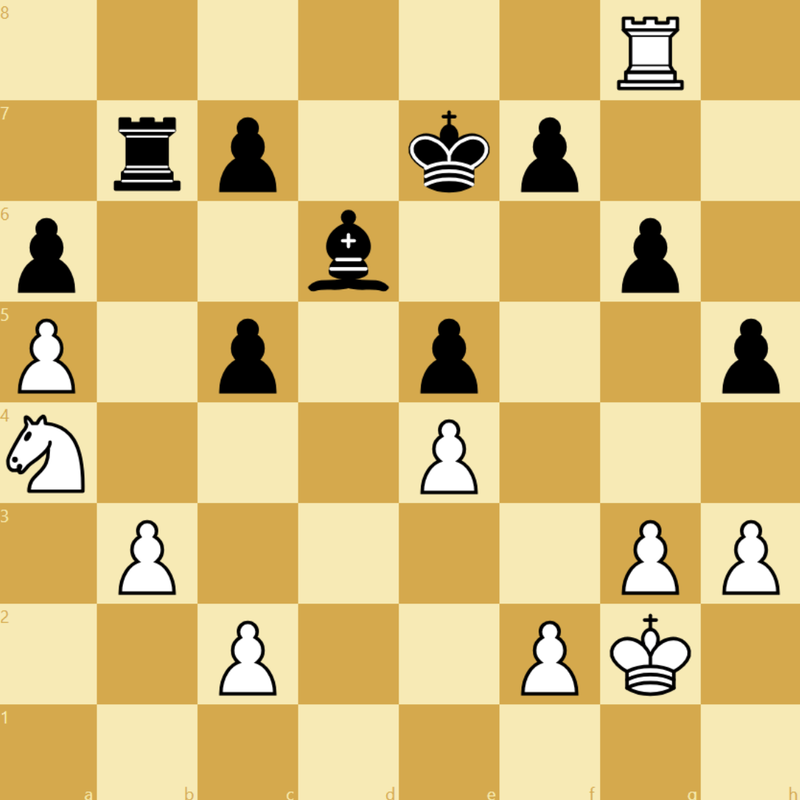
White is better due to black’s weak pawn structure on the queenside, the restricted bishop, and the active rook and knight. In such positions, it is very natural to think actively and go for ideas like Ra8 to attack the a6 pawn.
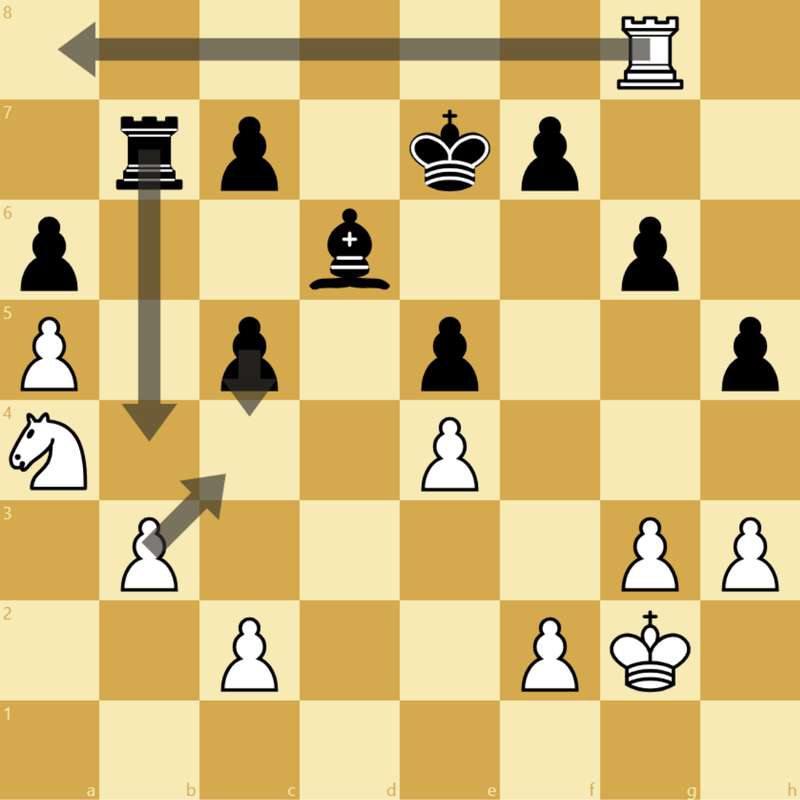
However, there is an important detail. After Ra8, Black can respond with c4, and after bxc4 Rb4, Black suddenly gets active counterplay on the queenside.
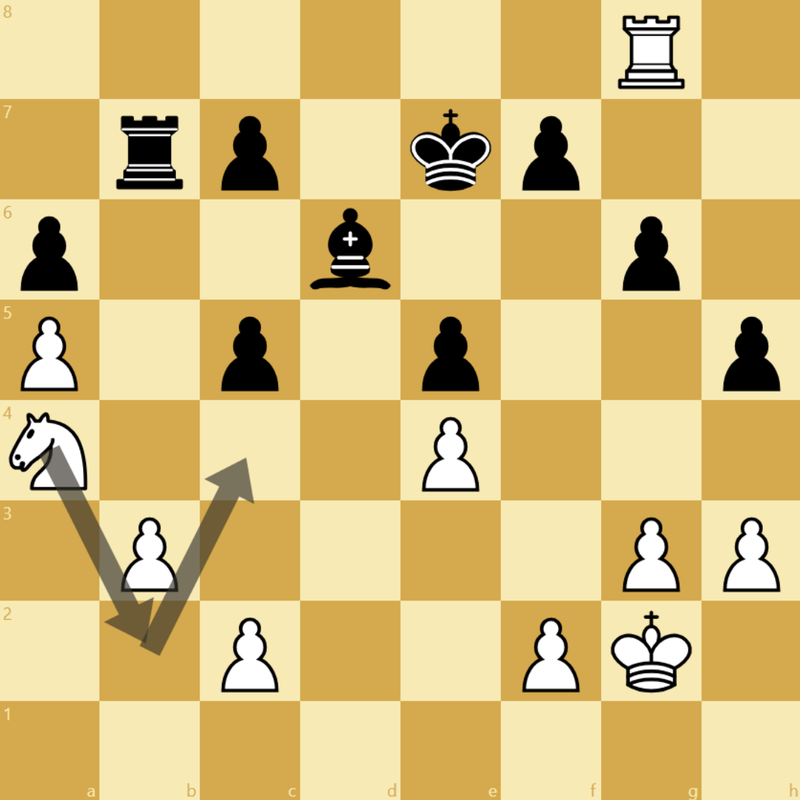
This is where prophylactic thinking becomes important.
Instead of rushing with Ra8 immediately, White can first play Nb2, preventing Black’s c4 idea and preparing Nc4 next. This move limits the opponent’s activity before continuing with white’s own plans.
Only after restricting Black’s counterplay can White continue improving the position with ideas like attacking the a6 pawn or expanding on the kingside with moves such as Kf3, Ke3, and f4. White remains clearly better.
Very often in positional chess, preventing the opponent’s activity is just as important as creating your own.
P.S. If you enjoyed this article and would like to receive future positional lessons like this directly in your inbox, subscribe to the ChessNeurons Newsletter here.
Visit ChessNeurons.com to learn more Positional Concepts and Grandmaster Insights.
You may also like
 GM Puli1234
Provoking in Chess: Creating Weaknesses Before Building Pressure
True mastery is forcing your opponent to play the move they are trying to avoid. GM Puli1234
Why Development Matters and How to Use It with Purpose
Development is often taught as a checklist, bring pieces out, castle, connect the rooks. While these… IM datajunkie
Why your tactics aren’t improving
The 4 fixes that can help you become a tactician CM HGabor
How titled players lie to you
This post is a word of warning for the average club player. As the chess world is becoming increasin… GM Puli1234
Strategy: Opposite Side Castling
Opposite-side castling creates positions where initiative and timing become especially important. GM Puli1234