
Punishing the King in the Center
Hello ChessNeurites,
Welcome to the second edition of a new Grandmaster Insights series! In each edition, I'll share one practical positional idea, strategic concept, or instructive position that you can immediately apply in your own games. The goal is simple: help you become a stronger thinker at the chessboard, one concept at a time.
The concept for this episode is: Punishing the King in the Center
When the opponent’s king has not found safety, the position often demands a very different approach. Instead of slowly improving your pieces, you may need to act energetically before the opponent manages to consolidate, complete development, or castle.
But the real challenge is not simply spotting that the king is in the centre. It is recognising the right moment to open the position and strike before the opportunity disappears.
Let me show you an instructive example. It’s White to play here.
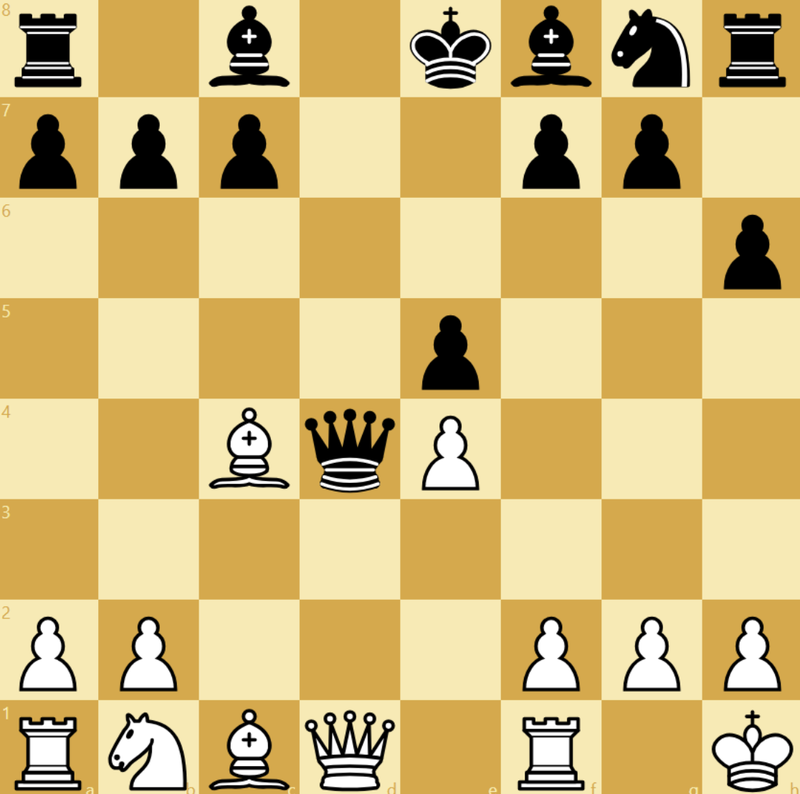
White’s down a pawn, but they have already castled, they are ahead in development and more importantly, black’s king is still in the center. The queen exchange is also being offered. Black’s lack of development and king in the center and short term advantages of white since if given a few moves, black can solve those problems. Due to that, white must play energetically.
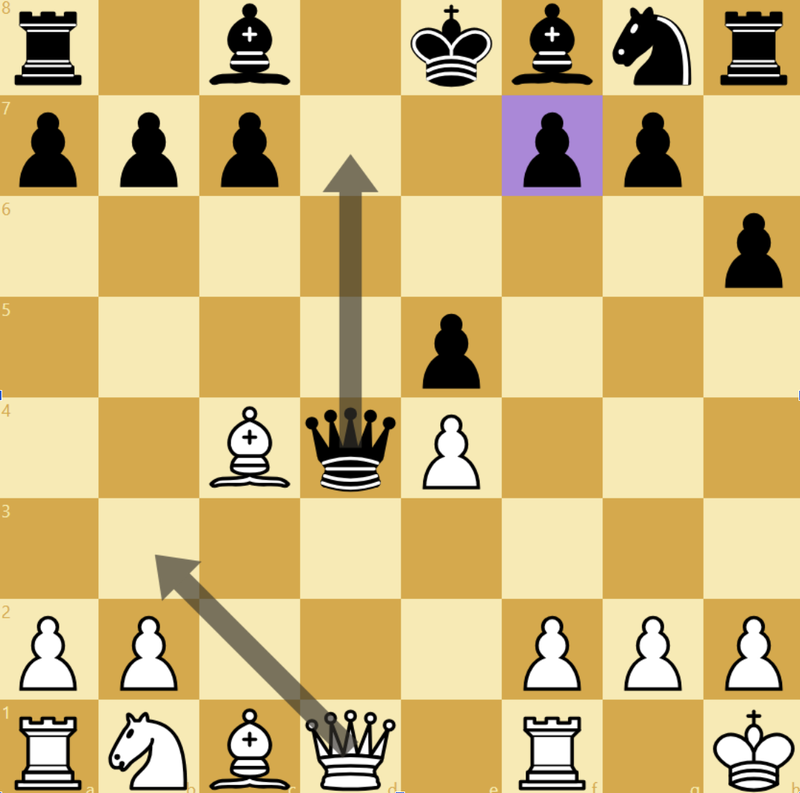
To begin their energetic play, white must avoid the exchange of queens by playing Qb3, defending the bishop and attacking the f7 pawn, not giving black to time to get their pieces out. Black must play Qd7 to defend the pawn.
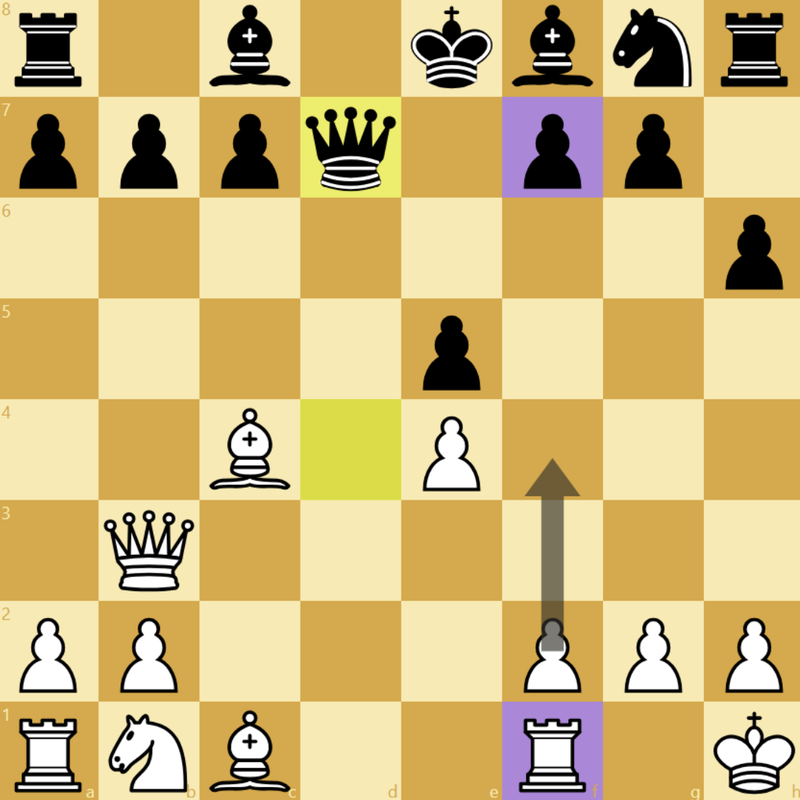
White must continue the energetic play with the f4 pawn break. It helps them in getting the rook active and increasing the pressure through the f-file. White’s clearly better due to the weak kingside of black.
When the opponent’s king is stuck in the center, the most important thing is to recognize the right moment to open the position and act before the chance disappears.
Visit ChessNeurons.com to learn more Positional Concepts and Grandmaster Insights.
P.S.1. If you enjoyed this article and would like to receive future positional lessons like this directly in your inbox, subscribe to the ChessNeurons Newsletter here.
P.S.2. Mention in comments if you have any feedback/suggestions about the series.
You may also like
 GM Puli1234
Breaking the Chess Plateau: Why You’re Stuck and How to Improve
Every chess player, from beginners to seasoned players, eventually faces a plateau - a phase where i… GM Puli1234
Provoking in Chess: Creating Weaknesses Before Building Pressure
True mastery is forcing your opponent to play the move they are trying to avoid. GM Puli1234
Prophylactic Thinking
One of the most important aspects of positional chess is not just finding your own plans, but unders… GM Puli1234
Strategy: Opposite Side Castling
Opposite-side castling creates positions where initiative and timing become especially important. CM HGabor
How titled players lie to you
This post is a word of warning for the average club player. As the chess world is becoming increasin… NM ZugAddict